
Art and Artifice
Kano Motonobu 1476 - 1559
Kano Motonobu was a member of the Kano school of painting, which was founded by his father, Kano Masanobu, and became one of the most influential art schools in Japan.
Some key points about Kano Motonobu and his art:
- Kano Motonobu was born August 28, 1476 and died November 5, 1559
- Kano Motonobu was the head of the Kano school after his father's death, and he is known for developing the school's style.
- Motonobu is particularly famous for his skillfully painted screen panels. These were used in the palaces and homes of the Japanese nobility.
- Motonobu also painted portraiture, such as the shogun Ashikaga Yoshimochi.
- Chinese painting and calligraphy influenced Motonobu's art style, but he also developed a unique Japanese style that emphasized the use of color and a flat, decorative quality.
- A prolific artist, it is estimated that he created over 200 works during his lifetime.
- The Kanō school was founded in the 15th century by Masanobu, and continued to be active until the late 19th century.
- The Kanō school was based in Kyoto, the cultural capital of Japan. It was the official painting school of the Tokugawa shogunate, the ruling government of Japan from the 17th to the 19th century.
- The Kanō school is noted for a particular style of painting emphasizing decorative patterns, bold compositions, and a bright, vivid use of color.
- The Kanō school had a significant impact on Japanese art and culture, and its influence can be seen in a wide range of artistic fields, from painting to ceramics to textiles.
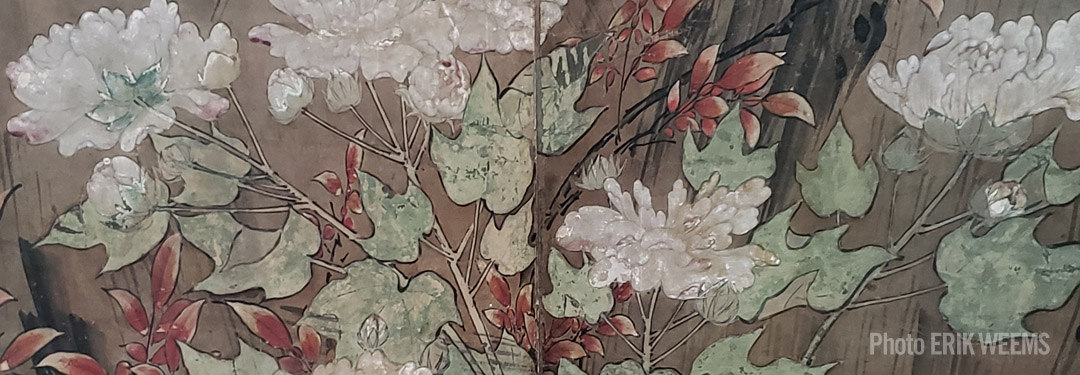
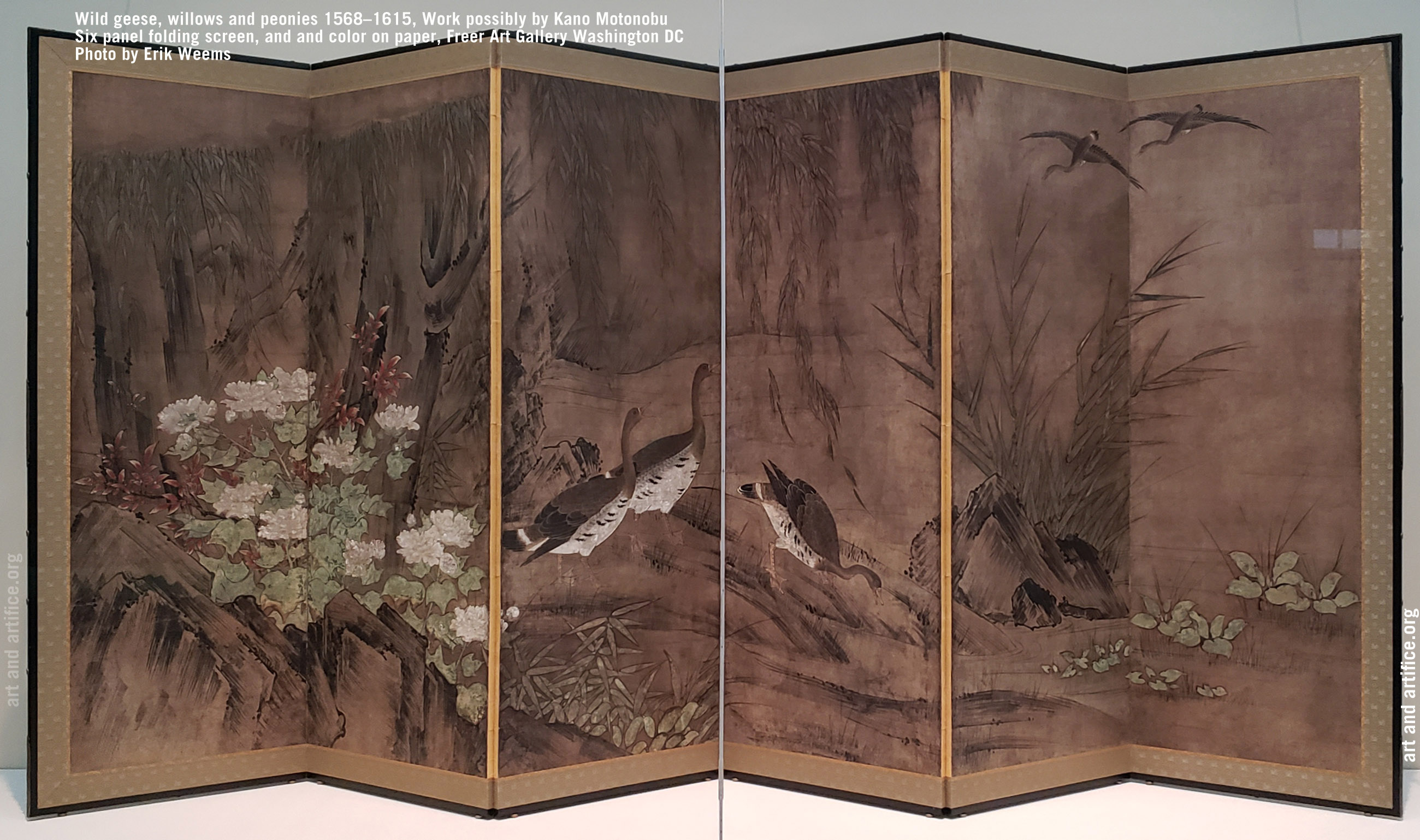
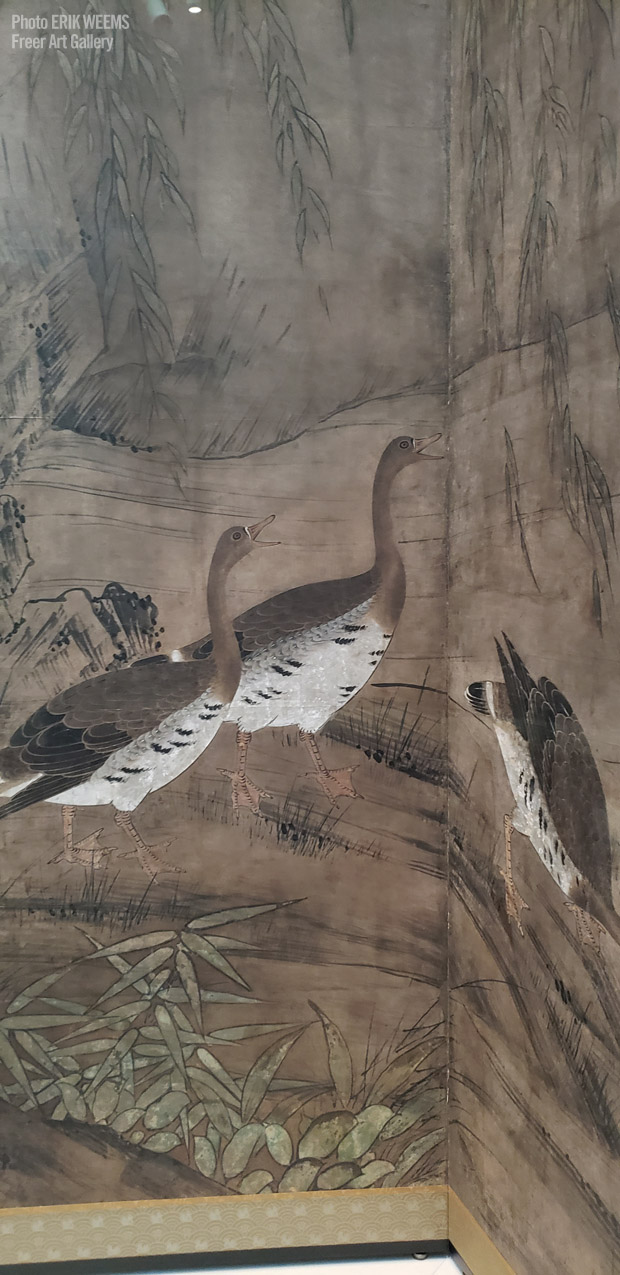
Below: Wild Geese, Willows and Peonies from 1568–1615 - folding screen - Work possibly by Kano Motonobu, six panel folding screen, Momayama period. Color on paper, Freer Art Gallery, Washington DC
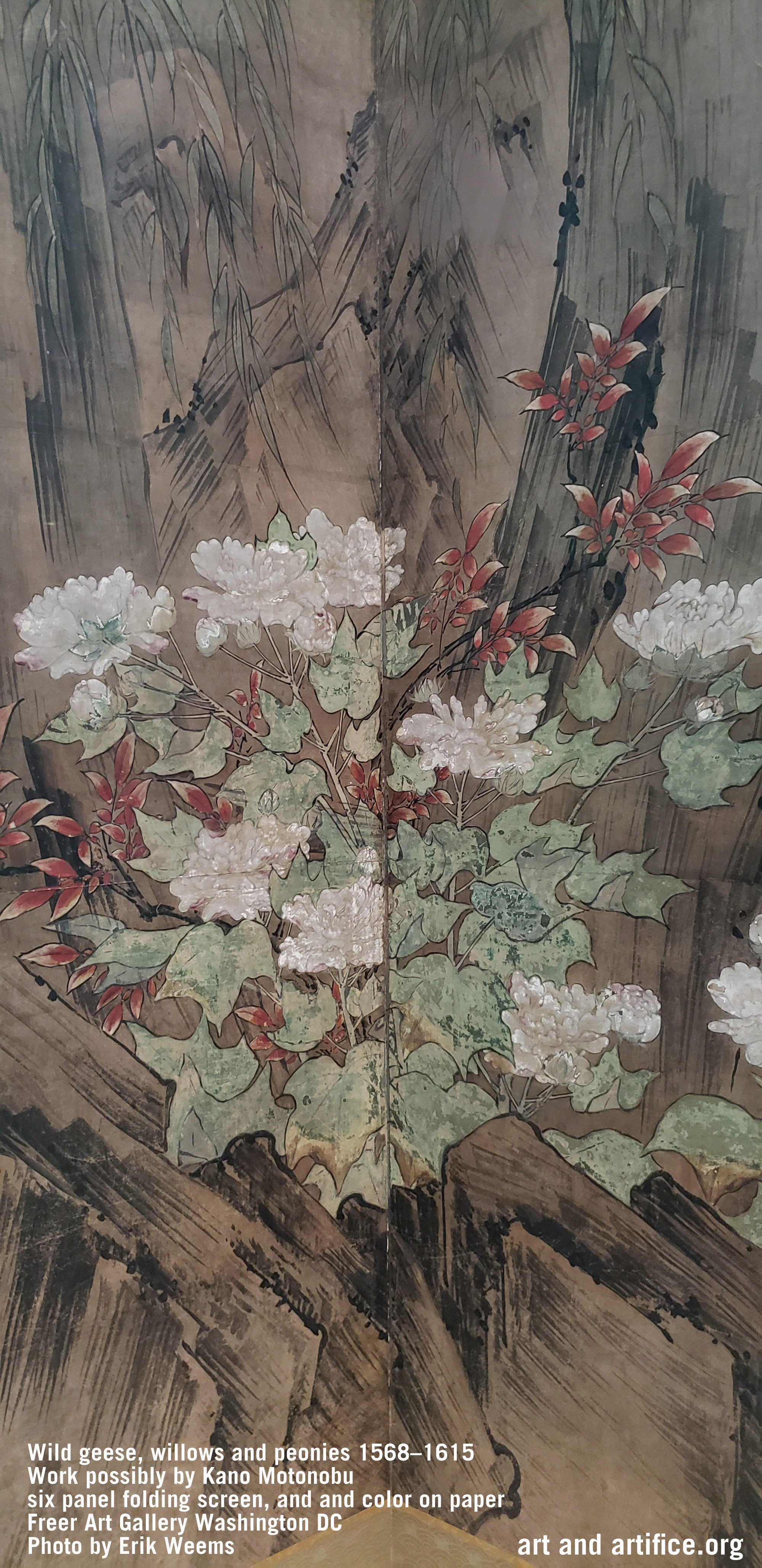
Freer Art Gallery Washington DC. Photo by Erik Weems
ADVERTISEMENT: You will see Amazon links on this web site because I am an Amazon affiliate. If you buy something from them they might throw me a few coins and then I'll buy some souvlaki.
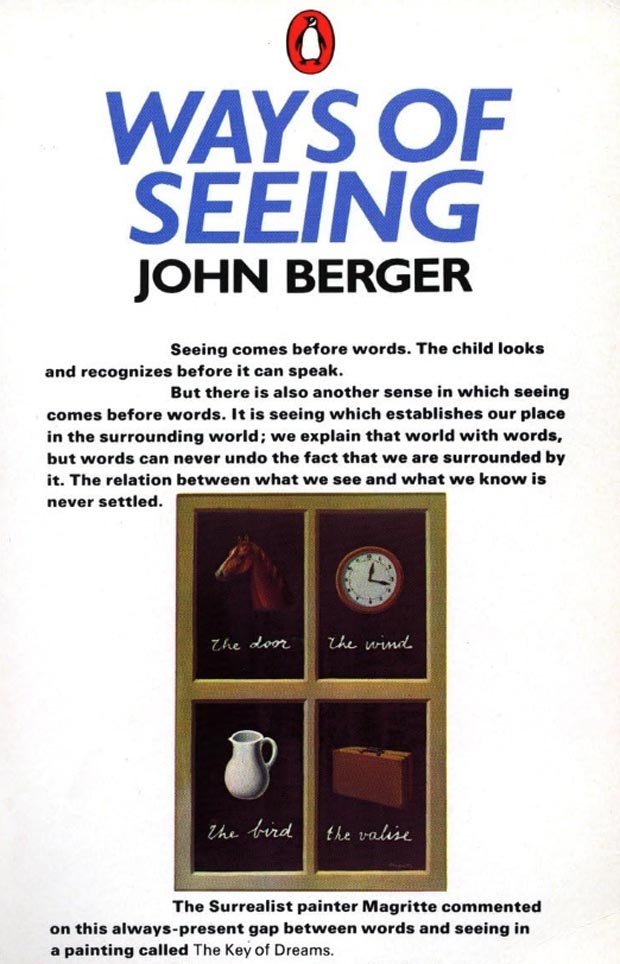
John Berger's Ways of Seeing is a famous art instruction on seeing art through a new awareness of elements that get overlooked or are somehow obscure for the casual viewer. The book was first published in 1972 and based on the BBC television series. The Sunday Times critic commented: "This is an eye-opener in more ways than one: by concentrating on how we look at paintings . . . he will almost certainly change the way you look at pictures." AMAZON
"The Complete Watercolor Guide for Beginners: The Ultimate Course with Exercises and Step-by-Step Projects Perfect Even If You’re New to Watercolor" AMAZON

ADVERTISEMENT: You will see Amazon links on this web site because I am an Amazon affiliate. If you buy something from them they might throw me a few coins and then I'll buy some souvlaki.
THE ODYSSEY: With the Greek on one side and the English on the other side this edition allows for easy reading while also opportunities to peruse the original Greek - "the classic parallel text version of Homer." Translation by Augustus Taber Murray (1866–1940) Professor of Greek at Stanford University and George Edward Dimock (1917–2000), Professor of Classical Languages and Literature at Smith College.
Homer was probably born around 725BC and he is from a long line of bards and poets who practiced the oral tradition of storytelling. .AMAZON
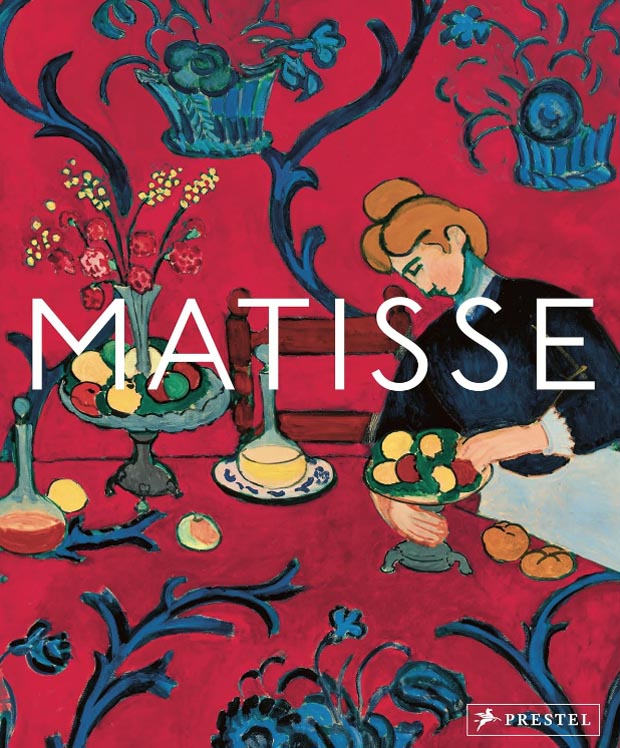
"This lavishly produced volume explores Matisse’s lifelong reinvention of art through some fifty works, six extraordinary fold-out spreads, and illuminating essays."AMAZON
172 Pages - Dimensions 8.81 x 0.98 x 10.69 inches
ADVERTISEMENT
First-Timers Trip To Greece – AMAZON – Greece Travel Guide: How to Plan a Trip to Greece with Best Tips for First-Timers – 177 Pages • Proven strategies to efficiently plan your trip to Greece • friend's advice on what to see and do in Greece's charming cities and iconic islands • Handy tips on exploring Greece without emptying your wallet



Original Page February 23, 2023